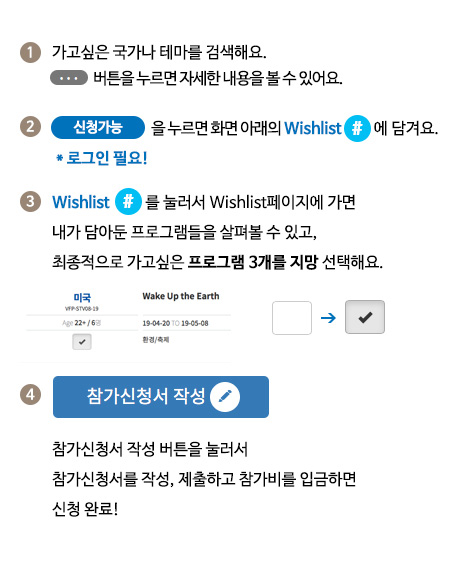
참가신청 방법 안내

Description of the partner organizing/hosting the project:
GNIST Festival is a music and art festival created by and for young people, located outside the big cities. It’s a two-day celebration filled with live music, art exhibitions, community dance, techno yoga, talks, short films, and much more. We celebrate youth spirit, creativity, culture, and all kinds of art and music.
Description of work:
PHASE ONE: PREPARATION
During this phase, the festival starts to take shape. We build everything from the ground up — starting with tents and practical setups, and finishing with the small final details.
Every year we come up with new ideas and plans, and we decorate the entire area. This includes building graffiti walls, painting signs, and placing creative elements around the festival site.
There will, of course, be plenty of time at the beginning to get to know each other. We really value it if participants want to contribute with creative ideas and help us shape the festival.
PHASE TWO: THE FESTIVAL
This is the most fun phase! This is when we open the festival we’ve created together over the past few days.
During this time, you can relax, hang out with the other volunteers and guests, listen to music, and enjoy the festival atmosphere.
PHASE THREE: CLEANING
This phase starts Sunday morning, when guests begin heading home. We pack everything down, and it usually goes quite fast, so we finish on Sunday. Volunteers can leave either Sunday or Monday morning.
FREETIME
Since the camp is short, there are no full days off. As we get closer to the festival, there will be more to do.
From Tuesday to Thursday, working hours are approximately 10:00 in the morning until 8:00 in the evening. On Friday and Saturday, there will be more free time, as more volunteers join. This gives you the chance to meet Danish people and experience the festival.
Fyrvej 2, 4660 Store Heddinge, Denmark
Description of location and leisure:
The festival area is close to the sea and located in the countryside. It is an old military missile launcher site, now empty except for two garages that we use.
The event takes place in the middle of May, so it’s a good idea to bring warm fleeces and cozy clothes, as we will be outside most of the day.
Meeting Point and Time: Meeting Point and Time:
Store Heddinge St.
May 11th between 12:00-16:00.
Arrival at Copenhagen Airport
To reach the meeting point on time, your flight should arrive no later than 13:00 on the first day of the camp.
From the airport, take a train to Copenhagen Central Station. From there, take a train to Køge Station, where you can catch a local train to Store Heddinge Station. This is where we will pick you up.
The total travel time from the airport to the meeting point is approximately 2 hours, and the cost is around €20. Please let us know if anything changes so we can help you.
Further details on travel arrangements and purchasing train or bus tickets will be provided in your info sheet after acceptance.
If you cannot make it to the meeting point on time, consider arriving one day early and booking a hostel.
The nearest airport: CPH
The nearest terminal (train-, bus-, taxi station): Store Heddinge St.
Description of accommodation and food:
Get ready for the full festival experience!
Sleeping Facilities
The festival has a sleeping area where both guests and volunteers will stay in tents during the festival days. We will also sleep there in the days leading up to the festival.
We can provide tents, so you only need to bring a sleeping bag and an air mattress or something similar. Let us know if you are missing anything — we might be able to lend it to you.
Kitchen + Bathroom Facilities
A trailer bathroom will be available when you arrive.
Each day, one hot meal will be prepared by our local chef, Jens. The other meals will be simple toasts or sandwiches that we make ourselves.
When the festival begins, there will also be food stands and community dining available.
English
* 현장납부비용 : 100 EUR
Number of total volunteers: 10
Number of places available for male volunteers: 5
Number of places available for female volunteers: 5
Maximum number of volunteers per nationality: 2
Maximum number of teenager volunteers: 0
Maximum number of national (local) volunteers: 0
Extra fee: 100 EUR
First Language: English
Participation of volunteers with disabilities: No
Available vegetarian food: Yes
Description of specific requirements: English will be the only language spoken during the camp. All participants must be willing to speak English, even if they come from the same country or find English challenging. Just try your best!
It is very important for us to have volunteers who are creative and able to take initiative. We are looking for independent people who want to contribute to the project with innovative ideas.
[침낭 구비 안내]
개인 위생을 위해 개인용 침낭을 반드시 준비하시기 바랍니다.
-
Description of the partner organizing/hosting the project:
GNIST Festival is a music and art festival created by and for young people, located outside the big cities. It’s a two-day celebration filled with live music, art exhibitions, community dance, techno yoga, talks, short films, and much more. We celebrate youth spirit, creativity, culture, and all kinds of art and music.
Description of work:
PHASE ONE: PREPARATION
During this phase, the festival starts to take shape. We build everything from the ground up — starting with tents and practical setups, and finishing with the small final details.
Every year we come up with new ideas and plans, and we decorate the entire area. This includes building graffiti walls, painting signs, and placing creative elements around the festival site.
There will, of course, be plenty of time at the beginning to get to know each other. We really value it if participants want to contribute with creative ideas and help us shape the festival.
PHASE TWO: THE FESTIVAL
This is the most fun phase! This is when we open the festival we’ve created together over the past few days.
During this time, you can relax, hang out with the other volunteers and guests, listen to music, and enjoy the festival atmosphere.
PHASE THREE: CLEANING
This phase starts Sunday morning, when guests begin heading home. We pack everything down, and it usually goes quite fast, so we finish on Sunday. Volunteers can leave either Sunday or Monday morning.
FREETIME
Since the camp is short, there are no full days off. As we get closer to the festival, there will be more to do.
From Tuesday to Thursday, working hours are approximately 10:00 in the morning until 8:00 in the evening. On Friday and Saturday, there will be more free time, as more volunteers join. This gives you the chance to meet Danish people and experience the festival.
Description of location and leisure:
The festival area is close to the sea and located in the countryside. It is an old military missile launcher site, now empty except for two garages that we use.
The event takes place in the middle of May, so it’s a good idea to bring warm fleeces and cozy clothes, as we will be outside most of the day.
[Travel Information]
The nearest airport: CPH in Copenhagen,Denmark
The nearest terminal (train-, bus-, taxi station): Store Heddinge St.
Meeting Point and Time: Meeting Point and Time: Store Heddinge St. May 11th between 12:00-16:00. Arrival at Copenhagen Airport To reach the meeting point on time, your flight should arrive no later than 13:00 on the first day of the camp. From the airport, take a train to Copenhagen Central Station. From there, take a train to Køge Station, where you can catch a local train to Store Heddinge Station. This is where we will pick you up. The total travel time from the airport to the meeting point is approximately 2 hours, and the cost is around €20. Please let us know if anything changes so we can help you. Further details on travel arrangements and purchasing train or bus tickets will be provided in your info sheet after acceptance. If you cannot make it to the meeting point on time, consider arriving one day early and booking a hostel.
Description of accommodation and food:
Get ready for the full festival experience!
Sleeping Facilities
The festival has a sleeping area where both guests and volunteers will stay in tents during the festival days. We will also sleep there in the days leading up to the festival.
We can provide tents, so you only need to bring a sleeping bag and an air mattress or something similar. Let us know if you are missing anything — we might be able to lend it to you.
Kitchen + Bathroom Facilities
A trailer bathroom will be available when you arrive.
Each day, one hot meal will be prepared by our local chef, Jens. The other meals will be simple toasts or sandwiches that we make ourselves.
When the festival begins, there will also be food stands and community dining available.
English
* 현장납부비용 : 100 EUR
Extra fee: 100 EUR
First Language: English
Available vegetarian food: Yes
Description of specific requirements: English will be the only language spoken during the camp. All participants must be willing to speak English, even if they come from the same country or find English challenging. Just try your best! It is very important for us to have volunteers who are creative and able to take initiative. We are looking for independent people who want to contribute to the project with innovative ideas.
[침낭 구비 안내]
개인 위생을 위해 개인용 침낭을 반드시 준비하시기 바랍니다.
-
Description of the partner organizing/hosting the project:
Aalborg City Cup was first held in 2004 and has since grown into a large international tournament with around 300 teams each year, featuring boys and girls aged 9 to 18.
The tournament takes place on Aalborg Freja’s 21 fields, with matches running from 8 AM to 8 PM.
Every year, we welcome between 8,000 and 10,000 visitors from across Europe. In the upcoming edition, we expect teams from Norway, Sweden, Germany, the Netherlands, Belgium, Spain, Poland, the Faroe Islands, Lithuania, and, of course, Denmark.
Each year, we have between 1,000 and 1,500 volunteers who help with various tasks, including:
- Cleaning the venue
- Serving breakfast and dinner
- Selling food at our stalls
- Staffing the information center, welcoming guests
Description of work:
As a volunteer at the Aalborg City Cup, you will play an essential role in making one of Northern Europe’s largest youth football tournaments a success. Each year, around 300 teams and 8,000–10,000 visitors come from across Europe to participate in and watch the games. To ensure the event runs smoothly, volunteers will help in various areas, including event setup, food service, information support, and venue maintenance. Your tasks will change throughout the day, keeping things dynamic and engaging! On the first day, you’ll sit down with the host to create a work plan and choose the assignments that interest you most—so be sure to read about the different tasks in advance. That way, you can hit the ground running and make the most of your experience!
Event Area Setup
Before the tournament starts, volunteers will help prepare the event area. This includes marking and setting up the 21 football fields, arranging seating areas, and making sure that everything is in place for the opening of the tournament. Volunteers may also assist with setting up banners, signs, and equipment needed for the matches and fan areas. You can also assist in one of the many food trucks on the grounds. This task is ideal for those who enjoy working outdoors and don’t mind some physical work.
Work hours: 10:00 – 18:00
Food Hall Assistance
With thousands of players, coaches, and visitors attending, the food hall is a crucial part of the tournament. Volunteers will help serve breakfast and dinner to the participants, ensuring meals are distributed smoothly. This role involves organizing food trays, keeping the dining area clean, and assisting guests who have dietary restrictions or special requests. It’s a great opportunity to meet people from different countries while contributing to the overall hospitality of the event.
Work hours: 06:00 – 22:30, which is divided between breakfast serving from 06:00-10:30 and dinner serving from 16:00-20:00
Information Center Support
The information center is the heart of the event’s organization, where teams and guests can come for assistance. Volunteers will be responsible for checking in teams upon arrival, handing out tournament schedules, answering general questions, and helping lost guests find their way around. This role requires good communication skills and a friendly attitude, as volunteers will interact with international visitors and ensure they have a great experience at the tournament.
Work hours:
17:00 – 22:00 (on Wednesday)
09:00-22:00 (on Thursday, Friday and Saturday).
Cleaning & Maintenance
To keep the event area welcoming for players and visitors, volunteers will help with regular cleaning and waste management throughout the tournament. This includes collecting trash, ensuring restrooms and common areas are clean, and keeping the playing fields tidy. This task is crucial in maintaining a professional and enjoyable atmosphere for everyone attending the Aalborg City Cup.
Work hours: Varies based on need
Vestre Fjordvej 15, 9000 Aalborg, Denmark
Description of location and leisure:
Aalborg is Denmark’s fourth-largest city, known for its vibrant cultural scene, rich history, and beautiful waterfront along the Limfjord. The city offers a mix of modern attractions and historical landmarks, such as:
-Aalborg Tower
-Utzon Center
-Aalborg Zoo
-Jomfru Ane Gade
Aalborg is also home to various parks, museums, and a lively student community, making it a great place to explore during leisure time.
Since the camp is short, there won’t be a full free day off, but there will be some free time to relax and enjoy the experience. Volunteers are expected to work a minimum of six hours per day, ensuring that we make the most of our time together while still having moments to unwind.
Meeting Point and Time: Meeting point and time:
Vestre Fjordvej 15, 9000 Aalborg on May 12th at 12:00.
You mustn't arrive after 15:00, as no one will be available to receive you. If you plan to arrive the day before, we might be able to accommodate you before 15:00 on May 11th, but this is not guaranteed. Please inform us in advance if this option works better for you, and we will see what we can do.
Departure:
The camp ends on June 2, 2025, with departure set for 14:00.
Arrival at Aalborg Airport:
To reach the meeting point on time, your flight must arrive no later than 11:00 on the first camp day. From the airport, take an RE train to Aalborg Vestby St., then transfer to Bus 2 and get off at Vestre Fjordvej. From there, it is a five-minute walk to the meeting point. The total travel cost is approximately 5€.
Arrival at Copenhagen Airport:
Your flight must land no later than 8:00 on the first camp day, which means you will reach the meeting point after 12:00 but before 15:00. From the airport, take a direct RE train to Aalborg Vestby St., then transfer to Bus 2, getting off at Vestre Fjordvej. The final walk to the meeting point takes around five minutes, and the total travel cost is approximately 70€.
Further details on travel arrangements, including how to purchase train and bus tickets, will be provided in your info sheet after acceptance.
If you are unable to arrive at the meeting point on time, please consider arriving a day early and booking a hostel.
The nearest airport: AAL
The nearest terminal (train-, bus-, taxi station): Aalborg Vestby St.
Description of accommodation and food:
Sleeping + bathroom facilities:
The exact accommodation is not yet confirmed, but volunteers will either stay at a local school or a community house. If the group stays at a local school, the host will provide mattresses and sleeping bags, and there will be access to a bath and toilet. If the group stays at a community house, the host will also provide mattresses and sleeping bags. The bath and toilet will be located just across the street, and there will be a kitchen available for making snacks.
Meals + kitchen facilities:
All meals will be provided through a small token system, which can be used at food trucks. In some cases, meals will be shared with other staff, creating a great opportunity to connect over food.
English
* 현장납부비용 : 100 EUR
Number of total volunteers: 8
Number of places available for male volunteers: 4
Number of places available for female volunteers: 4
Maximum number of volunteers per nationality: 2
Maximum number of teenager volunteers: 0
Maximum number of national (local) volunteers: 0
Extra fee: 100 EUR
First Language: English
Participation of volunteers with disabilities: No
Available vegetarian food: Yes
[침낭 구비 안내]
개인 위생을 위해 개인용 침낭을 반드시 준비하시기 바랍니다.
-
Description of the partner organizing/hosting the project:
Aalborg City Cup was first held in 2004 and has since grown into a large international tournament with around 300 teams each year, featuring boys and girls aged 9 to 18.
The tournament takes place on Aalborg Freja’s 21 fields, with matches running from 8 AM to 8 PM.
Every year, we welcome between 8,000 and 10,000 visitors from across Europe. In the upcoming edition, we expect teams from Norway, Sweden, Germany, the Netherlands, Belgium, Spain, Poland, the Faroe Islands, Lithuania, and, of course, Denmark.
Each year, we have between 1,000 and 1,500 volunteers who help with various tasks, including:
- Cleaning the venue
- Serving breakfast and dinner
- Selling food at our stalls
- Staffing the information center, welcoming guests
Description of work:
As a volunteer at the Aalborg City Cup, you will play an essential role in making one of Northern Europe’s largest youth football tournaments a success. Each year, around 300 teams and 8,000–10,000 visitors come from across Europe to participate in and watch the games. To ensure the event runs smoothly, volunteers will help in various areas, including event setup, food service, information support, and venue maintenance. Your tasks will change throughout the day, keeping things dynamic and engaging! On the first day, you’ll sit down with the host to create a work plan and choose the assignments that interest you most—so be sure to read about the different tasks in advance. That way, you can hit the ground running and make the most of your experience!
Event Area Setup
Before the tournament starts, volunteers will help prepare the event area. This includes marking and setting up the 21 football fields, arranging seating areas, and making sure that everything is in place for the opening of the tournament. Volunteers may also assist with setting up banners, signs, and equipment needed for the matches and fan areas. You can also assist in one of the many food trucks on the grounds. This task is ideal for those who enjoy working outdoors and don’t mind some physical work.
Work hours: 10:00 – 18:00
Food Hall Assistance
With thousands of players, coaches, and visitors attending, the food hall is a crucial part of the tournament. Volunteers will help serve breakfast and dinner to the participants, ensuring meals are distributed smoothly. This role involves organizing food trays, keeping the dining area clean, and assisting guests who have dietary restrictions or special requests. It’s a great opportunity to meet people from different countries while contributing to the overall hospitality of the event.
Work hours: 06:00 – 22:30, which is divided between breakfast serving from 06:00-10:30 and dinner serving from 16:00-20:00
Information Center Support
The information center is the heart of the event’s organization, where teams and guests can come for assistance. Volunteers will be responsible for checking in teams upon arrival, handing out tournament schedules, answering general questions, and helping lost guests find their way around. This role requires good communication skills and a friendly attitude, as volunteers will interact with international visitors and ensure they have a great experience at the tournament.
Work hours:
17:00 – 22:00 (on Wednesday)
09:00-22:00 (on Thursday, Friday and Saturday).
Cleaning & Maintenance
To keep the event area welcoming for players and visitors, volunteers will help with regular cleaning and waste management throughout the tournament. This includes collecting trash, ensuring restrooms and common areas are clean, and keeping the playing fields tidy. This task is crucial in maintaining a professional and enjoyable atmosphere for everyone attending the Aalborg City Cup.
Work hours: Varies based on need
Description of location and leisure:
Aalborg is Denmark’s fourth-largest city, known for its vibrant cultural scene, rich history, and beautiful waterfront along the Limfjord. The city offers a mix of modern attractions and historical landmarks, such as:
-Aalborg Tower
-Utzon Center
-Aalborg Zoo
-Jomfru Ane Gade
Aalborg is also home to various parks, museums, and a lively student community, making it a great place to explore during leisure time.
Since the camp is short, there won’t be a full free day off, but there will be some free time to relax and enjoy the experience. Volunteers are expected to work a minimum of six hours per day, ensuring that we make the most of our time together while still having moments to unwind.
[Travel Information]
The nearest airport: AAL in Aalborg,Denmark
The nearest terminal (train-, bus-, taxi station): Aalborg Vestby St.
Meeting Point and Time: Meeting point and time: Vestre Fjordvej 15, 9000 Aalborg on May 12th at 12:00. You mustn't arrive after 15:00, as no one will be available to receive you. If you plan to arrive the day before, we might be able to accommodate you before 15:00 on May 11th, but this is not guaranteed. Please inform us in advance if this option works better for you, and we will see what we can do. Departure: The camp ends on June 2, 2025, with departure set for 14:00. Arrival at Aalborg Airport: To reach the meeting point on time, your flight must arrive no later than 11:00 on the first camp day. From the airport, take an RE train to Aalborg Vestby St., then transfer to Bus 2 and get off at Vestre Fjordvej. From there, it is a five-minute walk to the meeting point. The total travel cost is approximately 5€. Arrival at Copenhagen Airport: Your flight must land no later than 8:00 on the first camp day, which means you will reach the meeting point after 12:00 but before 15:00. From the airport, take a direct RE train to Aalborg Vestby St., then transfer to Bus 2, getting off at Vestre Fjordvej. The final walk to the meeting point takes around five minutes, and the total travel cost is approximately 70€. Further details on travel arrangements, including how to purchase train and bus tickets, will be provided in your info sheet after acceptance. If you are unable to arrive at the meeting point on time, please consider arriving a day early and booking a hostel.
Description of accommodation and food:
Sleeping + bathroom facilities:
The exact accommodation is not yet confirmed, but volunteers will either stay at a local school or a community house. If the group stays at a local school, the host will provide mattresses and sleeping bags, and there will be access to a bath and toilet. If the group stays at a community house, the host will also provide mattresses and sleeping bags. The bath and toilet will be located just across the street, and there will be a kitchen available for making snacks.
Meals + kitchen facilities:
All meals will be provided through a small token system, which can be used at food trucks. In some cases, meals will be shared with other staff, creating a great opportunity to connect over food.
English
* 현장납부비용 : 100 EUR
Extra fee: 100 EUR
First Language: English
Available vegetarian food: Yes
[침낭 구비 안내]
개인 위생을 위해 개인용 침낭을 반드시 준비하시기 바랍니다.
-
Description of the partner organizing/hosting the project:
Open Houses is a non-profit network that has organised international volunteer workcamps and building projects at historic sites in Germany since the mid-1980s. Its work is rooted in the idea of opening historic places as spaces for common responsibility, intercultural exchange, and non-commercial encounter.
The organisation supports the revitalisation and long-term care of historic buildings and cultural landscapes through volunteer engagement, focusing on everyday maintenance, small-scale renovation, and community-based use of heritage sites. Rather than acting as a sole operator, Open Houses works as an initiator and facilitator, cooperating with site owners, local actors, and partner organisations.
At Lohra Castle, Open Houses coordinates volunteer-based site care and ensures that the castle remains a living place for cultural activities, educational initiatives, and international exchange. The organisation provides overall project coordination, accommodation, work supervision, and group support throughout the workcamp.
Description of work:
Volunteers will take part in seasonal maintenance and site care activities that support the everyday functioning and long-term preservation of Lohra Castle and its surrounding grounds. The work focuses on keeping the historic ensemble and its open spaces accessible, safe, and well maintained.
Tasks include mowing and collecting overgrown grass, clearing organic material from paths and public areas, maintaining open spaces around the castle buildings, and assisting with the cleaning and upkeep of communal halls and shared facilities.
Although the project does not involve technical heritage conservation, the work plays an essential role in sustainable heritage management. Through their contribution, volunteers support the continued use of the castle for cultural, educational, and community activities, whose income is reinvested into conservation and restoration programmes.
Burg Lohra
Description of location and leisure:
Lohra Castle is located in northern Thuringia, close to the Harz low mountain range, in a rural area characterised by forests, hills, and protected natural landscapes. The castle has medieval origins dating back to the 11th century and developed over several centuries from a fortified complex into a mixed residential and agricultural ensemble. Notable features include a Romanesque double-floored chapel from the 12th century, traces of medieval fortifications and towers, a Renaissance-era manor house, and later farm buildings from the 19th and early 20th centuries. After decades of abandonment, the site has been gradually revitalised since the 1990s and today functions as a place for cultural activities, education, and volunteer-based site care.
The next small towns are Bleicherode (approx. 6 km) and Nordhausen (approx. 20 km). The castle stands slightly above the surrounding villages and is reached via a forest road and walking paths.
The workcamp takes place in a quiet, countryside setting. Volunteers should not expect urban leisure infrastructure, but rather a nature-oriented environment and simple village surroundings. In their free time, participants can go for walks or hikes in the protected natural area, relax at the castle, or organise informal group activities such as games, music evenings, campfires, or shared cooking.
Depending on the group’s interests, short excursions to nearby towns or cultural sites can be organised together during the stay.
Meeting Point and Time: The meeting point is the bus stop Großlohra – Friedrichslohra / Wartehalle.
If you arrive by train, travel to Gebra / Hainleite railway station. From the station, walk a few metres in the direction of the village to the nearby bus stop and take bus 29 in the direction of Nordhausen. Get off at Friedrichslohra / Wartehalle.
If you miss the bus, it is possible to walk from Gebra / Hainleite towards the castle area (approx. 1 hour). The route includes a steep uphill section, therefore light and easy-to-carry luggage is strongly recommended.
Detailed arrival information and exact arrival times will be sent to selected volunteers in advance.
The nearest airport: BER
The nearest terminal (train-, bus-, taxi station): Nearest train station: Gebra / Hainleite (approx. 5 km)
Nearest bus stop: Großlohra – Friedrichslohra / Wartehalle (approx. 1 km)
Further rail connections are available via Nordhausen (approx. 20 km).
Description of accommodation and food:
Volunteers will be accommodated in small historic service buildings within the castle complex, in shared rooms with simple but adequate facilities. Rooms are arranged for 2–5 people. Showers and toilets are available, with limited hot water. The overall living conditions are basic, reflecting the historic character of the site.
A fully equipped communal kitchen is located in a separate historic building near the accommodation. Meals are prepared collectively as part of community life, and each participant will be involved in cooking during the stay. Volunteers are encouraged to bring recipes from their home countries to share food traditions with the group.
Accommodation and food during the project are provided by the hosting organisation. Any participation fees charged by sending organisations are not transferred to the host and remain with the sending organisation.
English
Number of total volunteers: 14
Number of places available for male volunteers: 14
Number of places available for female volunteers: 14
Maximum number of volunteers per nationality: 3
Maximum number of teenager volunteers: 1
Maximum number of national (local) volunteers: 14
First Language: English
Participation of volunteers with disabilities: No
Available vegetarian food: Yes
[침낭 구비 안내]
개인 위생을 위해 개인용 침낭을 반드시 준비하시기 바랍니다.
Volunteers should be motivated to take part in physically active outdoor work and be prepared for simple living conditions in a rural environment. Flexibility, a cooperative attitude, and willingness to participate in everyday community tasks (such as cooking and cleaning) are essential.
The work takes place in all weather conditions, including rain and cooler days. Participants should bring appropriate clothing and sturdy work shoes.
The project is suitable for volunteers who are interested in heritage, nature, and community life, and who are open to intercultural exchange. Previous experience is not required.
Description of the partner organizing/hosting the project:
Volunteers will be engaged in projects aimed at preserving and restoring the natural environment of one of the most important wetlands in the Tyrrhenian Sea, the San Rossore estate, part of the MSRM Regional Park. Get ready to ride the bike!
Project summary
Volunteers will be engaged in projects aimed at preserving and restoring the natural environment of one of the most important wetlands in the Tyrrhenian Sea, the San Rossore estate, part of the MSRM Regional Park.
PARTNER:Legambiente Pisa is an association that has been fighting since 1995 for a healthier relationship between people and the environment, to convey the importance of conscious choices, for social equity through the lens of scientific environmentalism. The activities are possible thanks to the commitment of the volunteers who organize together local and national awareness campaigns, training activities inside and outside the schools, collaborations with public and private bodies aimed at the ecological transition.
Description of work:
The volunteers will use simple tools such as shears, axes and saws to remove invasive vegetation, record data to compare the present situation and check the effectiveness of the action. At the request of the Park, interventions will be possible for easy maintenance operations in areas of naturalistic interest further inland. Restoration of the paths in the naturalistic areas of the estate and biomonitoring activities within the Park will also be carried out. All movements will be made by bicycles, which the volunteers will also maintain, with the help of the local bicycle workshop.
Study part
Volunteers will participate in workshops about the local environment and its features, held by the technicians of the Park. They will learn about the Sea turtle "Caretta Caretta", whose traces they will also look for, and about the several species of plants and trees of the territory. They will also learn how to fix their own bike.
Pisa
Description of location and leisure:
The San Rossore estate, in the MSRM regional park, after having been used as a hunting lodge for monarchs and presidents, has since 1989 been the central nucleus of a large coastal park that is a real gem in terms of both fauna and plant species, including several relicts and endemic species, which have found an environment here in which to survive and develop. The estate is within cycling distance of the cities of Pisa, and Lucca, two centres that need no description- from the camp it is also easy to reach other centres of interest, such as Livorno, Calci, Massaciuccoli and the Apuan Alps.
Meeting Point and Time: Appointment for the start of the workcamp is scheduled for the day 15/06 in Pisa, at the railway station Pisa Centrale at 15.
The nearest airport: PSA
The nearest terminal (train-, bus-, taxi station): Airport
Aereoporto Pisa Galileo Galilei
Station
Pisa Centrale
Description of accommodation and food:
Flat in a farmhouse on the San Rossore Estate. we will prepare all meals in the apartment, the shopping will be done in local zero kilometer and organic shops
English
Number of total volunteers: 10
Number of places available for male volunteers: 5
Number of places available for female volunteers: 5
Maximum number of volunteers per nationality: 0
Maximum number of teenager volunteers: 0
Maximum number of national (local) volunteers: 0
First Language: English
Participation of volunteers with disabilities: No
Available vegetarian food: Yes
Description of specific requirements: Knowing how to ride a bike (you ride a few kilometres a day)
[침낭 구비 안내]
개인 위생을 위해 개인용 침낭을 반드시 준비하시기 바랍니다.
Knowing how to ride a bike (you ride a few kilometres a day)
Description of the partner organizing/hosting the project:
Center for Sustainable Development Goals (an initiative by Sønderborg Municipality) works to inspire sustainable action with the UN Global Goals at heart.
The center is based at Lykkegaard, a 17th-century farm complex undergoing a long-term sustainable renovation towards opening in 2028. Until then, we host events that bring sustainability to life - like Byggefestivalen (the Building Festival): a family-friendly maker festival where people of all ages build creative projects with recycled materials, pro tools, and guidance from skilled craftspeople.
This year, we expect around 1,000–1,500 participants.
The festival takes place at Kær Vestermark - a beautiful 137-hectare nature area near Sønderborg - next to a permaculture garden and the future center site.
www.centerforverdensmaal.dk (website only in Danish)
Description of work:
You will help build the festival from the ground up. The international volunteers will take part in the construction alongside many other volunteers. Stages, camping areas, bars, workshop tents, a food waste kitchen, and a recycling center will all need to be built.
The Building Festival is being held for the third year. We expect up to 1,500 participants, primarily young people and families with children. Everything will be designed for quick assembly and easy disassembly, to reuse the setup again in 2027.
With our dedicated recycling station, all festival waste must be delivered and sorted. The aim is to keep waste to an absolute minimum and ensure as much material as possible is reused or recycled.
PHASE ONE: PREPARATION
In this phase, the goal is to build all parts of the festival. Since this is the third year we are running the festival, several festival elements have already been created, which we will reuse in the construction process. At the same time, many new structures must be built to ensure the festival continues to develop from year to year. Everything will be constructed in a way that allows for easy disassembly with the aim of reuse in 2027.
PHASE TWO: THE FESTIVAL
During the festival, the Camp participants will be responsible for the Food Waste Tent, including presenting the collected past-date food, ensuring that everything appears appealing and clean, and making sure that everyone uses the facility as intended and planned.
In addition to this fixed task, Camp participants are welcome to take part in the festival on equal terms with all other attendees.
PHASE THREE: DISASSEMBLY AND CLEANING
After the festival wraps up, our goal is to take care of the cleaning, tidying, and dismantling of both the Food Waste Kitchen and the Recycling Station.
As a starting point, no craftsmanship experience is required – but any building skills you do have are welcome. A professional craftsperson will be part of the project to provide guidance and hands-on support throughout the construction process.
To ensure safety, all participants will take part in a tool handling course. In addition to the craftsperson, the camp will have a Camp Leader responsible for practical coordination and creating a good social atmosphere. We also aim to involve local young people from Sønderborg in the project.
Løkkegaardsvej 3, 6400 Sønderborg, Denmark
Description of location and leisure:
The Center of Sustainable Development Goals, the festival, and the Firehut are situated at Kær Vestermark, which is a 1,4 km2 beautiful recreational nature area 2-3 km north of Sønderborg City. Sønderborg inhabits approx 35000 people.
FREETIME
The first weekend is about team bonding, getting to know the area and enjoying social activities. During the weeks you can:
- Swim in the nearby Alssund Strait
- Explore Sønderborg (cozy harbour town, cafés, history and culture)
- Connect with local young people who may join parts of the project
We kick off our first full workday on 6 July.
Besides the activities mentioned, we’ll also make time for small excursions around the local area.
Meeting Point and Time: Meeting point and Time:
The town of Sønderborg between 15.00-18.00 on July 3rd. You’ll be picked up at the airport, train, or busstation
Departure: In the morning, but before 12:00 on July 23rd. You’ll be driven to the nearest airport, train, or busstation.
Arrival at Sønderborg Airport:
This is a local airport, and not many international planes land here. We mention this airport as you can be picked up by the host, and it is 10 min. from the camp.
Arrival at Copenhagen Airport:
Your flight must land no later than 13:00 on the first camp day, which means you will reach the meeting point before 18:00. From the airport, take a direct ICL train to Sønderborg St. The total travel cost is approximately 70€.
Further details on travel arrangements, including how to purchase train and bus tickets, will be provided in your info sheet after acceptance.
If you are unable to arrive at the meeting point on time, please consider arriving a day early and booking a hostel.
The nearest airport: SGD
The nearest terminal (train-, bus-, taxi station): Sønderborg Bus and Train Station
Description of accommodation and food:
Sleeping + bathroom facilities:
You’ll stay together at a rustic Firehut with two built-in shelters, 400 m from the festival site
You will be sleeping in a shared space with 3–4 people. Prefer privacy? Bring your own tent and camp right outside the Firehut.
We have a fireplace, outdoor kitchen with pizza oven and stove, cold water tap, composting toilet by the Firehut, and a regular flushing toilet about 200 m away. We also have hot showers at the festival area.
We have Wi Fi at the festival site, not at the Firehut. A washing machine and dryer are available at the festival campground. Remember to bring a sleeping bag - and your tent if you want your own space.
Meals:
Before the festival, you will eat with the festival build crew, and some meals at the Firehut – where ingredients are provided by your host.
During the festival, you will dine with festival participants.
English
* 현장납부비용 : 100 EUR
Number of total volunteers: 8
Number of places available for male volunteers: 4
Number of places available for female volunteers: 4
Maximum number of volunteers per nationality: 2
Maximum number of teenager volunteers: 0
Maximum number of national (local) volunteers: 0
Extra fee: 100 EUR
First Language: English
Participation of volunteers with disabilities: No
Available vegetarian food: Yes
Description of specific requirements: Who are we looking for?
- You enjoy hands-on work and learning by doing.
- You’re proactive, independent, and service-minded
- You’re ready to always speak English - even with friends from your own country
- You value safety and teamwork (you’ll complete our tool handling course)
[침낭 구비 안내]
개인 위생을 위해 개인용 침낭을 반드시 준비하시기 바랍니다.
-
Description of the partner organizing/hosting the project:
The volunteer camp is organized by Il Castagno Rosso (non-profit organization) in collaboration with the Legambiente Vicenza local group. Since 2020, Il Castagno Rosso has been caring for approximately two hectares of meadows and woodland, gradually developing simple and functional facilities designed to host educational and recreational activities in nature for young people and families.
Over the years, the site has welcomed a forest kindergarten, a homeschooling project, several summer nature camps for children and teenagers, as well as music and theatre events open to the wider community.
Hosting participants in this international volunteer project represents an important opportunity for the association to strengthen cooperation with a broader network of local actors committed to environmental protection, while expanding the social and environmental impact of its activities within the territory
Description of work:
Zovencedo is a small municipality of just over 800 inhabitants, where a close-knit community actively cares for its territory through local volunteer initiatives. The contribution of international volunteers will be highly valued, offering a meaningful opportunity for cultural exchange and intergenerational dialogue.
Volunteers will support the community by cleaning and maintaining the areas hosting municipal events, as well as assisting with event setup and dismantling. During the second week, they will focus on restoring public information boards and hiking trail signage, helping to improve accessibility and usability for both residents and visitors
Zovencedo
The nearest airport: VRN VCE TSF
The nearest terminal (train-, bus-, taxi station): Vicenza or Altavilla Vicentina
Inglese
Number of total volunteers: 10
Number of places available for male volunteers: 5
Number of places available for female volunteers: 5
Maximum number of volunteers per nationality: 0
Maximum number of teenager volunteers: 0
Maximum number of national (local) volunteers: 0
First Language: Inglese
Participation of volunteers with disabilities: No
Available vegetarian food: No
Description of specific requirements: Participation in the camp requires adaptability and a willingness to live in a simple, essential, and nature-oriented way. The setting is ideal for those who enjoy outdoor life, hiking, and embracing a slower, more minimalist lifestyle in close contact with the natural environment
[침낭 구비 안내]
개인 위생을 위해 개인용 침낭을 반드시 준비하시기 바랍니다.
-
Description of the partner organizing/hosting the project:
The Work Camp will be a part of our annual International Table Tennis Summer Camp. The exciting Summer Camp has existed for 17 years and is arranged by B75, which is a value-based table tennis club with professional trainers and players.
During the Summer Camp, 200 trainers and players from all over the world will gather for three weeks of learning, fun, friend-making, and sharing their common passion for Table Tennis. This year, they come from 43 countries. It creates a great party in the town and the atmosphere is amazing, which we would love you to become a part of.
Description of work:
For the Summer Camp to run smoothly, we very much rely on volunteers who are interested in helping with different practicalities. Your important effort will make a very positive change for the participants, as you will contribute to the framework of the Table Tennis Camp, which aims at empowering people, developing their skills, and bringing them together towards their common passion for table tennis.
The camp is especially good for you if you like to engage with people in a very international environment, and if you are interested in improving your teamwork and problem-solving skills, because the work requires that you adapt to changes quickly.
When it comes to the specific tasks, there will be rotation between them to make the days vary for all volunteers. These different tasks include assisting in the kitchen, with all practicalities such as cooking and serving the food to the other camp participants. Similar tasks include helping with cleaning assistance or driving shuttle buses to and from the airport, train station, and ferry terminals. Other tasks could be overseeing activities with the camp participants and the smallest children and finally helping in the administration with check-in, check-out, and room preparations.
It will also be possible to be a sparring partner in the Table Tennis Camp and interact with the camp participants. Therefore, it would be an advantage if you enjoy playing table tennis and would like to practice it some more, but no experience is needed. We welcome people at all levels! In addition, it will be possible for you to continue playing table tennis in your free time.
The program:
As a volunteer, your work week will consist of 5 working days and 2 days off, though these days will be rotating between you. This means that you might have to work on the weekend, but then you will have time off during the week. Your workday will be no more than 7 hours, and you will be working with local volunteers. Work starts in the morning and the afternoon. Some tasks, like being a part of the administration or driving team, mean you must work at different times during the day.
Kærvej 9, 9440 Aabybro, Denmark
Description of location and leisure:
During your three-week stay in Northern Jutland, you will also have time to explore the unique nature and interesting attractions in Denmark.
Your Work Camp leaders will help you and the group with organizing these activities in your spare time. It is free to enjoy the beautiful nature of Northern Jutland, but some activities such as museums and galleries might require an extra charge. The host will not cover additional charges.
The Work Camp will be remarkably close to the beach, so there are incredibly good opportunities to go for a swim. It is also very much possible to explore the nearby towns by going sightseeing or shopping. For instance, you can arrange a day trip to Skagen, which is the Northern tip of Denmark where the two oceans meet. Skagen is especially famous for its special light, which has attracted many painters, yellow and red houses, art galleries, delicious seafood, and much more. You can also take a day trip to Aalborg, the third biggest city in Denmark, where you find a large variety of shopping opportunities while enjoying the cozy atmosphere in the iconic and old streets of Aalborg.
Meeting Point and Time: Meeting Point and Time:
Aalborg Airport between 15:00-19:00.
We will pick you up and lead you to the place of accommodation. As the Work Camp is only a short drive, the Camp leaders will drive back and forth from the airport. You might have to wait a little bit if many participants arrive around the same time.
Arrival at Aalborg Airport:
To make it to your meeting point in time, your flight must arrive no later than 18:00 on the first camp day. As the airport is the meeting point, there will be no additional cost or travel time.
Arrival at Copenhagen Airport:
To make it to your meeting point on time, your flight must arrive no later than 12:00 on the first camp day. From the airport, you take a direct train to Aalborg Airport. The train departs every hour.
The total travel time from the airport to the meeting point will be approximately 5 hours. The travel cost from the airport to the meeting point is approx. 60€.
Further details on travel arrangements and purchasing of train/bus tickets will be provided in your info sheet after acceptance.
If you are not able to make it in time to the meeting point, please consider arriving one day early and booking a hostel.
The nearest airport: AAL
The nearest terminal (train-, bus-, taxi station): Aalborg Airport
Description of accommodation and food:
Sleeping + bathroom facilities:
The volunteers will be sleeping in classrooms at the local school. There will be mattresses, pillows, and bedding. The school is within walking distance of the Work Camp. It only takes a few minutes to get there. The bathrooms are next to the classrooms where you will be sleeping.
Meals + kitchen facilities:
All Work Camp participants eat in the canteen with all the other participants. Breakfast, lunch, and dinner will be provided by the Work Camp host.
English
* 현장납부비용 : 100 EUR
Number of total volunteers: 16
Number of places available for male volunteers: 8
Number of places available for female volunteers: 8
Maximum number of volunteers per nationality: 3
Maximum number of teenager volunteers: 0
Maximum number of national (local) volunteers: 0
Extra fee: 100 EUR
First Language: English
Participation of volunteers with disabilities: No
Available vegetarian food: Yes
Description of specific requirements: English will be the only language spoken. All participants must be willing to speak English, even though being from the same country or have trouble with the English language. Try your best!
People with an impaired ability to hear or see are more than welcome. Unfortunately, we cannot accept volunteers in wheelchairs.
[침낭 구비 안내]
개인 위생을 위해 개인용 침낭을 반드시 준비하시기 바랍니다.
-
Description of the partner organizing/hosting the project:
Open Houses is a non-profit network that has organised international volunteer workcamps and building projects at historic sites in Germany since the mid-1980s. Its work is rooted in the idea of opening historic places as spaces for common responsibility, intercultural exchange, and non-commercial encounter.
The organisation supports the revitalisation and long-term care of historic buildings and cultural landscapes through volunteer engagement, focusing on everyday maintenance, small-scale renovation, and community-based use of heritage sites. Rather than acting as a sole operator, Open Houses works as an initiator and facilitator, cooperating with site owners, local actors, and partner organisations.
At Lohra Castle, Open Houses coordinates volunteer-based site care and ensures that the castle remains a living place for cultural activities, educational initiatives, and international exchange. The organisation provides overall project coordination, accommodation, work supervision, and group support throughout the workcamp.
Description of work:
Volunteers will take part in seasonal maintenance and site care activities that support the everyday functioning and long-term preservation of Lohra Castle and its surrounding grounds. The work focuses on keeping the historic ensemble and its open spaces accessible, safe, and well maintained.
Tasks include mowing and collecting overgrown grass, clearing organic material from paths and public areas, maintaining open spaces around the castle buildings, and assisting with the cleaning and upkeep of communal halls and shared facilities.
Although the project does not involve technical heritage conservation, the work plays an essential role in sustainable heritage management. Through their contribution, volunteers support the continued use of the castle for cultural, educational, and community activities, whose income is reinvested into conservation and restoration programmes.
Burg Lohra
Description of location and leisure:
Lohra Castle is located in northern Thuringia, close to the Harz low mountain range, in a rural area characterised by forests, hills, and protected natural landscapes. The castle has medieval origins dating back to the 11th century and developed over several centuries from a fortified complex into a mixed residential and agricultural ensemble. Notable features include a Romanesque double-floored chapel from the 12th century, traces of medieval fortifications and towers, a Renaissance-era manor house, and later farm buildings from the 19th and early 20th centuries. After decades of abandonment, the site has been gradually revitalised since the 1990s and today functions as a place for cultural activities, education, and volunteer-based site care.
The next small towns are Bleicherode (approx. 6 km) and Nordhausen (approx. 20 km). The castle stands slightly above the surrounding villages and is reached via a forest road and walking paths.
The workcamp takes place in a quiet, countryside setting. Volunteers should not expect urban leisure infrastructure, but rather a nature-oriented environment and simple village surroundings. In their free time, participants can go for walks or hikes in the protected natural area, relax at the castle, or organise informal group activities such as games, music evenings, campfires, or shared cooking.
Depending on the group’s interests, short excursions to nearby towns or cultural sites can be organised together during the stay.
Meeting Point and Time: The meeting point is the bus stop Großlohra – Friedrichslohra / Wartehalle.
If you arrive by train, travel to Gebra / Hainleite railway station. From the station, walk a few metres in the direction of the village to the nearby bus stop and take bus 29 in the direction of Nordhausen. Get off at Friedrichslohra / Wartehalle.
If you miss the bus, it is possible to walk from Gebra / Hainleite towards the castle area (approx. 1 hour). The route includes a steep uphill section, therefore light and easy-to-carry luggage is strongly recommended.
Detailed arrival information and exact arrival times will be sent to selected volunteers in advance.
The nearest airport: BER
The nearest terminal (train-, bus-, taxi station): Nearest train station: Gebra / Hainleite (approx. 5 km)
Nearest bus stop: Großlohra – Friedrichslohra / Wartehalle (approx. 1 km)
Further rail connections are available via Nordhausen (approx. 20 km).
Description of accommodation and food:
Volunteers will be accommodated in small historic service buildings within the castle complex, in shared rooms with simple but adequate facilities. Rooms are arranged for 2–5 people. Showers and toilets are available, with limited hot water. The overall living conditions are basic, reflecting the historic character of the site.
A fully equipped communal kitchen is located in a separate historic building near the accommodation. Meals are prepared collectively as part of community life, and each participant will be involved in cooking during the stay. Volunteers are encouraged to bring recipes from their home countries to share food traditions with the group.
Accommodation and food during the project are provided by the hosting organisation. Any participation fees charged by sending organisations are not transferred to the host and remain with the sending organisation.
English
Number of total volunteers: 14
Number of places available for male volunteers: 14
Number of places available for female volunteers: 14
Maximum number of volunteers per nationality: 3
Maximum number of teenager volunteers: 2
Maximum number of national (local) volunteers: 14
First Language: English
Participation of volunteers with disabilities: No
Available vegetarian food: Yes
[침낭 구비 안내]
개인 위생을 위해 개인용 침낭을 반드시 준비하시기 바랍니다.
Volunteers should be motivated to take part in physically active outdoor work and be prepared for simple living conditions in a rural environment. Flexibility, a cooperative attitude, and willingness to participate in everyday community tasks (such as cooking and cleaning) are essential.
The work takes place in all weather conditions, including rain and cooler days. Participants should bring appropriate clothing and sturdy work shoes.
The project is suitable for volunteers who are interested in heritage, nature, and community life, and who are open to intercultural exchange. Previous experience is not required.